


A living green carpet
22/10/2026
Bare ground rarely stays bare for long. As soon as there is light and space, plants start to grow spontaneously. Sometimes these are lovely surprises from the seed bank or species that have been carried in by the wind, which we are happy to welcome. In other places, plants grow that we’d rather give a bit less space to. With the right groundcovers, you can control that spontaneous growth, protect the soil and, at the same time, save yourself a lot of weeding.
Groundcovers are plants that grow close to the ground and spread outwards. Once groundcovers form a sufficiently dense mat, self-sown weeds have less space to establish themselves. That means less weeding, although the occasional touch-up is still needed to keep the desired plants in balance. And let’s be honest, weeding can be meditative, but it’s rarely a gardener’s favourite activity.
Ground cover plants actually do a bit of what mulch – wood chips or dead leaves – does, but they are living mulch. They protect the soil from drying out, moderate temperature fluctuations and reduce erosion. At the same time, they provide a habitat for small soil-dwelling creatures.
But which plants should you choose? As always, the choice depends on the location; the principle of ‘the right plant in the right place’ remains the most important rule. A plant that thrives under a tree in a damp spot might not survive at all in full sun and dry soil. Plants that are well adapted to their environment require less water, fertiliser and other assistance.
Here are a few examples, although this is of course not an exhaustive list and, as always, we focus on native species. In the sun, creeping thyme (Thymus serpyllum) is a good choice for dry, well-drained soil. This low, creeping plant flowers profusely and attracts plenty of insects. Small burnet (Sanguisorba minor) is a native species with fine foliage and unobtrusive flowers, suitable for sunny, dry and rather poor soils. For joints, gravel areas and other dry, nutrient-poor spots, white stonecrop (Sedum album) and wall stonecrop (Sedum acre) are interesting, very low-growing groundcovers.
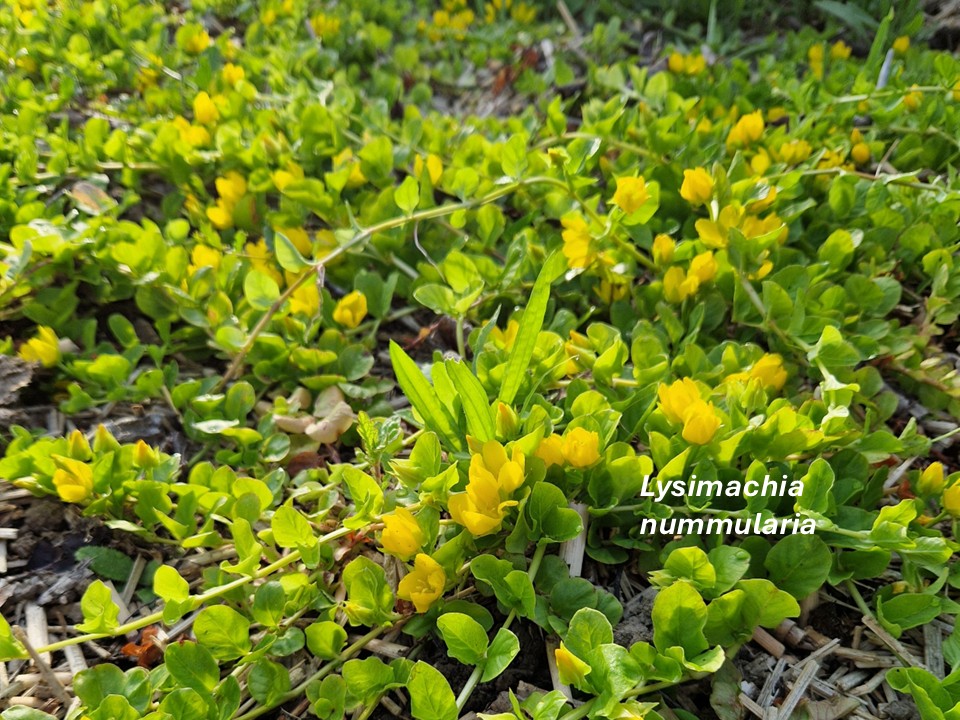
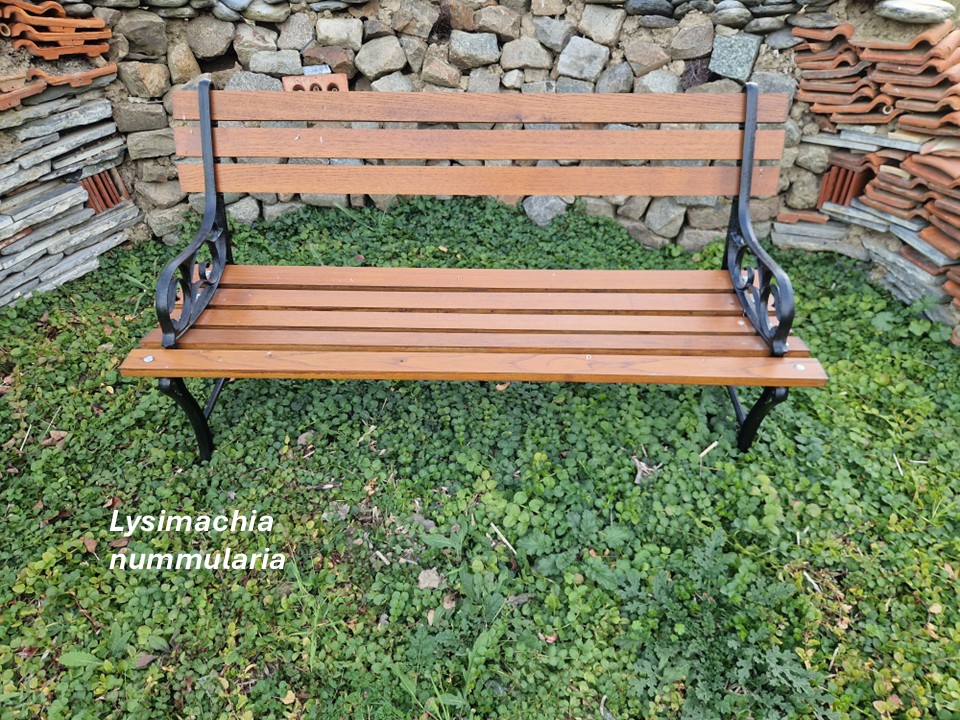
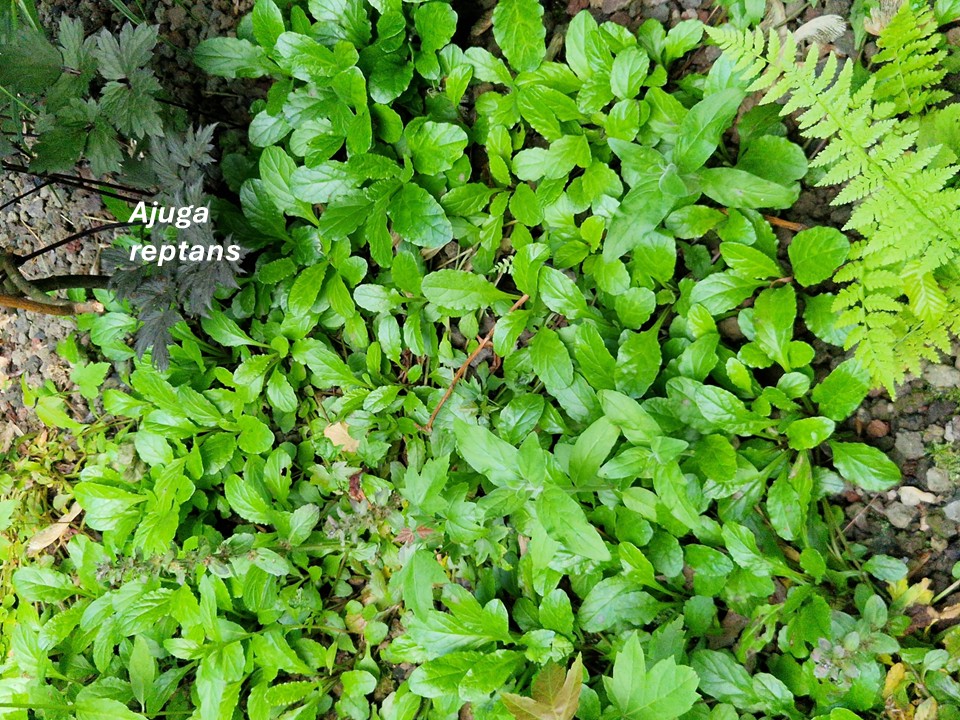
In partial shade, creeping bugle (Ajuga reptans) is a lovely native species with purple flowers. Creeping bugle forms a dense carpet via runners. Large-rooted cranesbill (Geranium macrorrhizum) is a robust, taller-growing ground cover plant that can thrive in sun, partial shade and full shade. Coinwort (Lysimachia nummularia), on the other hand, forms a low, creeping carpet with yellow flowers and is particularly well-suited to damp soil, for example alongside a pond.
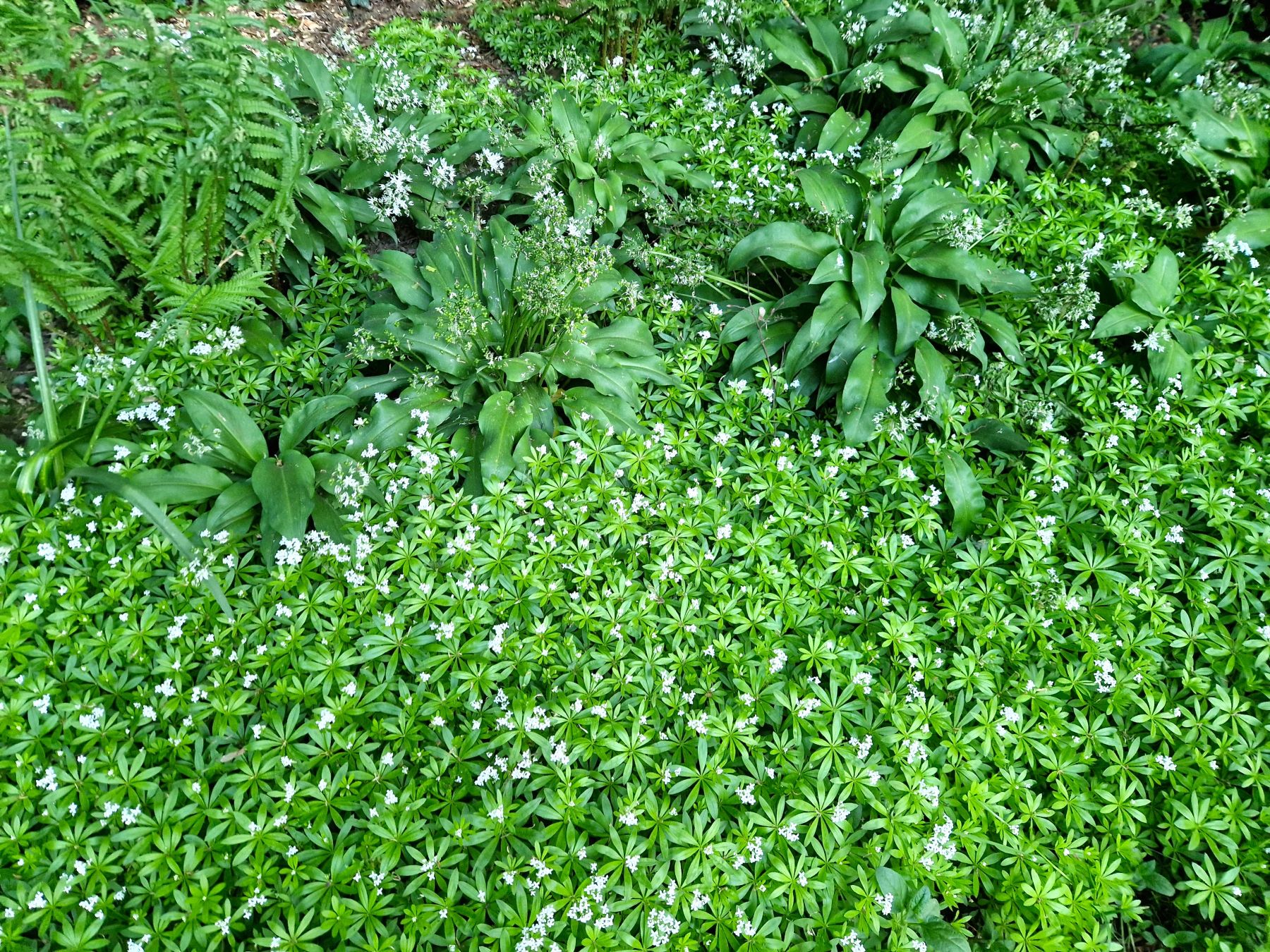
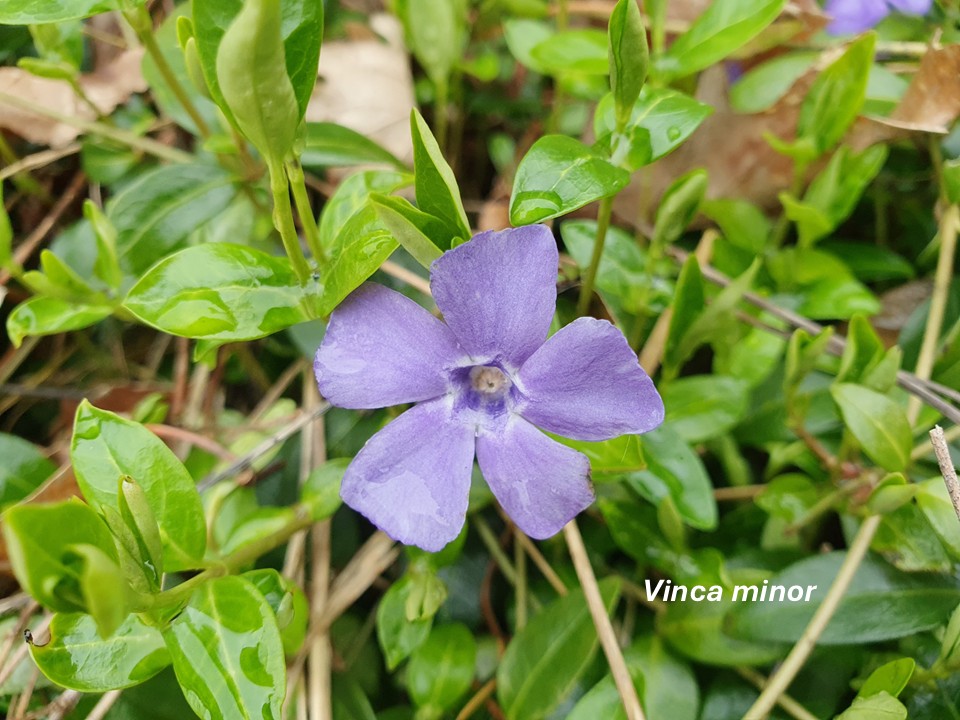
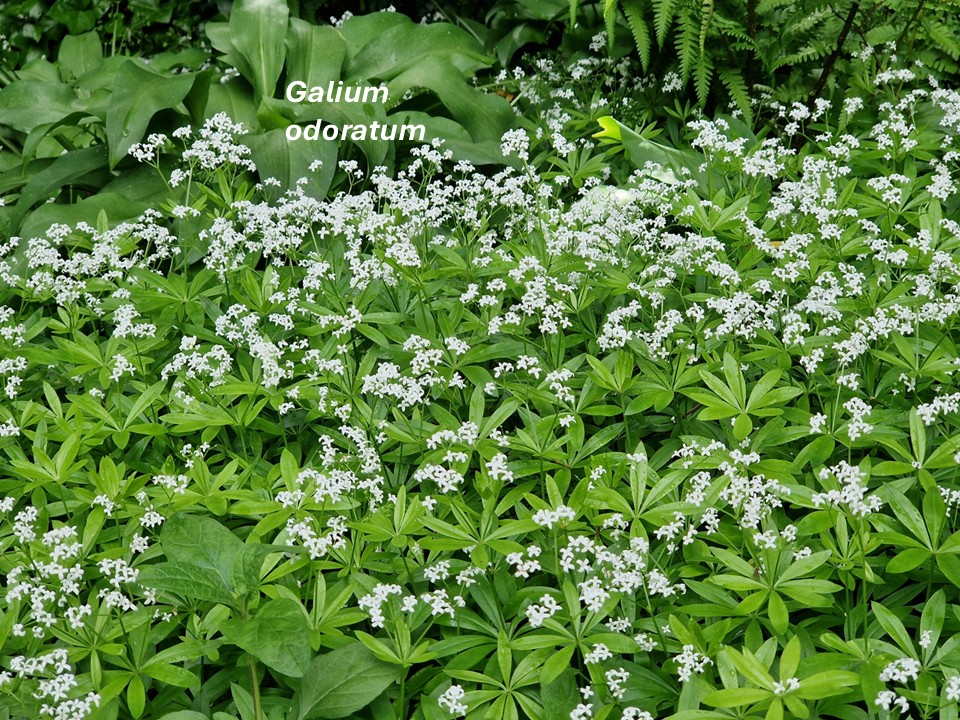
Under trees and shrubs in the shade, ivy (Hedera helix) and lesser periwinkle (Vinca minor) are interesting evergreen groundcovers. Both can form dense carpets, even in the shade. They are, however, vigorous growers that can crowd out other plants if not kept in check. Sweet woodruff (Galium odoratum) is a favourite, with fresh green foliage and small white flowers. It grows best in humus-rich, sufficiently moist soil in the shade.
Not every ground cover plant is a blessing. Some species are so effective that they can crowd out other plants. Ground elder (Aegopodium podagraria) is a well-known example of this. It is a native plant with ecological value, but it spreads extremely rapidly via underground rhizomes and, once established, is difficult to remove.
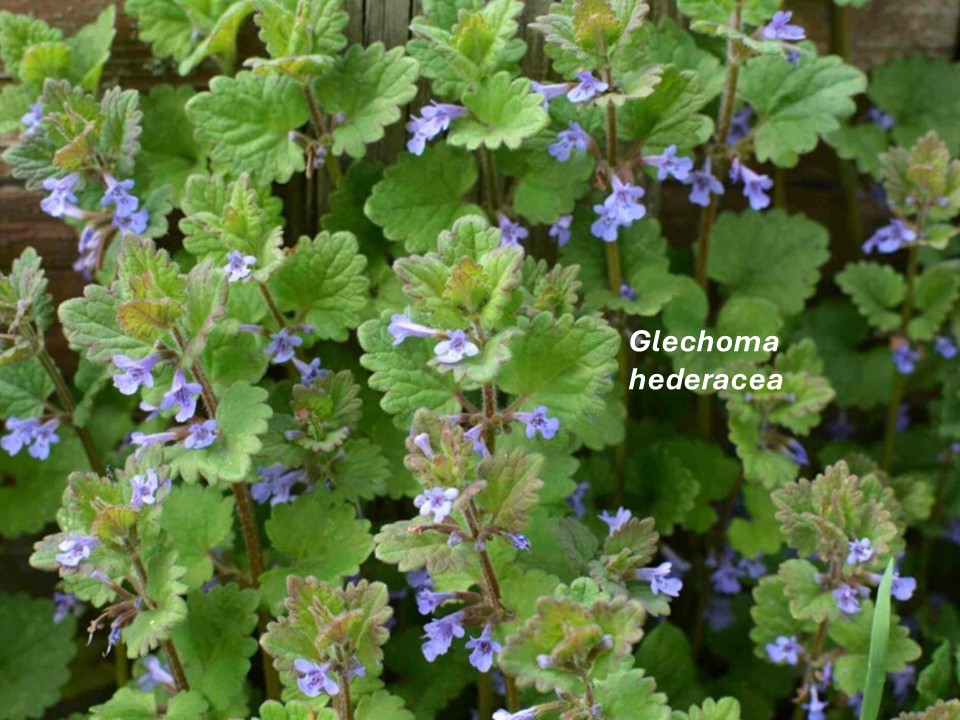
Ground ivy (Glechoma hederacea) and wild strawberry (Fragaria vesca) can also spread considerably via creeping stems and runners. They are generally easier to manage than ground elder, but can also take up space in a mixed border. This need not be a problem in areas where ground cover is desired. In a garden rich in plant diversity, it is particularly important to maintain a balance. Observation and occasional adjustment therefore remain necessary.
Another use for groundcovers is planting in tree bases. Grass often struggles to grow under trees, leaving the ground bare or allowing moss and weeds to appear spontaneously. However, not all shade is the same. Not only is there less light under a tree, but there is often less water available too: the crown blocks some of the rain and the roots absorb water. As a result, the soil can be very dry, particularly under large, mature trees.
Under a mature beech or a conifer with a very dense canopy, it can be difficult to establish a continuous ground cover. With trees that have a lighter canopy, such as some ash trees and fruit trees, there are often more options. The soil and root competition also play an important role. You should therefore choose species that are suited to the actual conditions, such as groundcovers that tolerate dry, shady conditions. Sometimes it is better to retain a natural layer of leaf litter than to try to plant the entire tree base area solidly.
Now is still a good time to plant perennials and groundcovers. Check the correct planting spacing and choose varieties suited to the location. We initially plant with mulch to suppress other weeds in the first few years. Once the plants have established themselves well and form a sufficiently dense cover, weeding is significantly reduced. Occasional maintenance is still needed to keep the planting healthy and balanced. Would you like advice on the right groundcovers for your garden? Please feel free to contact us. Enjoy!
Comments
No comments have been added yet. Be the first to add a comment. Add a comment